
Siding Replacement Cost
What new siding costs in Minnesota in 2026
Real pricing for Twin Cities homes — by material, size, and complexity. No surprises.
Coming Soon
Interactive cost calculator
An easy-to-use calculator will live here so you can ballpark your project in seconds — based on real Twin Cities pricing.
Siding projects usually start with a simple question: how much is this going to cost? Then the quotes come in, and the numbers can vary more than expected.
This guide breaks down real siding installation costs in Minnesota, what impacts pricing, and what most homeowners actually end up paying.
How much does siding installation cost in Minnesota?
Most homeowners in Minnesota spend between $7,000 and $18,000+ for new siding installation. The average installed cost typically falls between:
- $5 to $8 per square foot for standard vinyl siding
- $6 to $10+ per square foot for insulated vinyl siding
Where your project falls in that range depends on a few key factors:
- The size of your home
- The type of siding you choose
- The complexity of the installation
- The condition of the existing exterior
For most homes, vinyl siding lands in the middle of that range, while insulated siding or more detailed installs push costs higher.
What drives pricing
What impacts the cost of new siding?
Siding pricing follows a consistent pattern. Once you understand the variables, the price differences between quotes make a lot more sense.
Home size and wall surface area
The more exterior wall space your home has, the more materials and labor are required. This is the biggest driver of total cost.
Siding type (standard vs insulated)
Standard vinyl is the most cost-effective option. Insulated siding adds a foam backing that increases both cost and performance.
Installation complexity
Two-story homes, complex layouts, and detailed trim work all increase labor time and cost — often by 15–25%.
Tear-off and prep work
Removing old siding and preparing the surface adds labor and disposal costs. Damage underneath needs to be addressed first.
Trim, soffit, and fascia
Siding projects often include trim, soffit, and fascia work. These are part of the system and can significantly impact total cost.
Design choices
Board and batten accents, shakes, and upgraded trim details can increase cost depending on how much of the home they cover.
By Material
Siding cost by material
Material choice plays a major role in both upfront cost and long-term performance.
Standard Vinyl Siding
- $5 to $7 per square foot installed
- Most common option
- Low maintenance and cost-effective
Standard vinyl siding is the baseline for most homes. It provides reliable protection without pushing the project into higher price ranges.
Premium Vinyl Siding
- $6 to $8 per square foot installed
- Thicker and more durable
- Improved appearance and finish
Thicker panels improve durability and reduce warping over time.
Insulated Vinyl Siding
- $7 to $10+ per square foot installed
- Added insulation and rigidity
- Improved energy efficiency and durability
Insulated siding includes a foam backing that helps with temperature control and overall performance.
Real pricing
What most Minnesota homeowners pay for new siding
Most homeowners want to know what real projects look like. The variation comes down to siding type, home size, and installation complexity more than anything else.
| Project Size | Square Feet | Price Range |
|---|---|---|
| Small | 1,000 – 1,500 | $7,000 – $11,000 |
| Mid | 1,500 – 2,500 | $9,000 – $14,000 |
| Large | 2,500+ | $12,000 – $18,000+ |
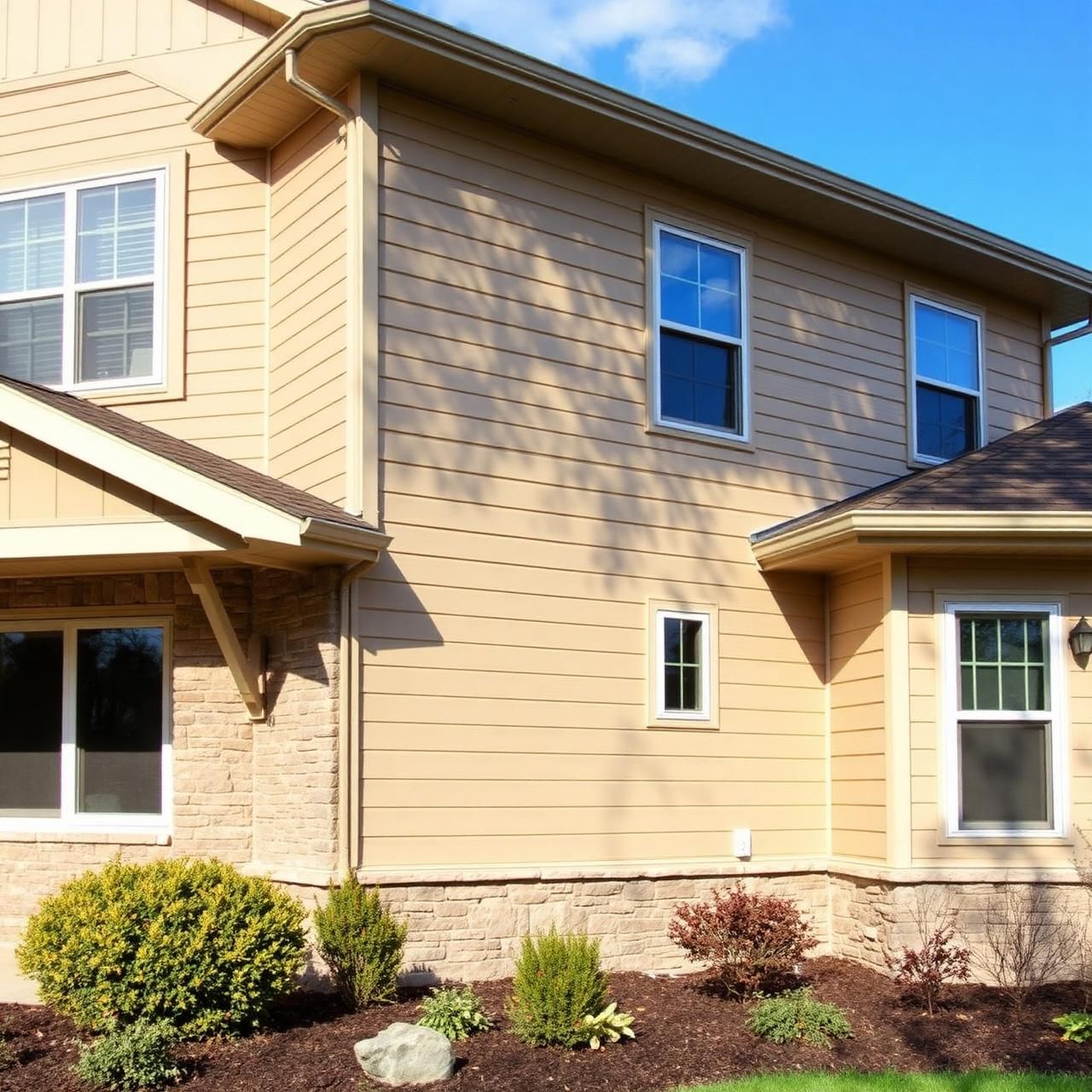
When siding costs are higher than expected
Some projects fall above the typical range. Common reasons include:
- Two-story or multi-level homes
- Complex layouts with lots of corners or trim
- Underlying damage or moisture issues
- Full exterior updates (trim, soffit, fascia)
- Upgraded siding profiles or accent materials
When siding costs stay closer to the low end
Some projects are more predictable and stay closer to baseline pricing. Expect a lower cost if you have:
- Simple exterior layout
- Standard vinyl siding
- Minimal trim or design upgrades
- No underlying damage
- Easy access around the home
Repair vs replacement: which one makes sense?
Not every siding issue requires full replacement.
Repair may make sense if:
- Damage is isolated
- The siding is relatively new
- The rest of the exterior is in good condition
Replacement is the better option if:
- There is widespread fading, warping, or cracking
- Moisture or structural issues are present
- The siding is older and nearing the end of its lifespan
- You're already updating other exterior components
The right decision comes from looking at the full exterior system, not just one section.
Common questions
How long does vinyl siding last in Minnesota?
Most vinyl siding lasts 20–30 years, depending on exposure and maintenance.
Is insulated siding worth the extra cost?
It can be, especially for energy efficiency and durability. It depends on your home and long-term goals.
How long does siding installation take?
Most siding projects take 3–7 days depending on home size and complexity.
Get a real number on your siding project
We'll walk your home, identify what actually needs to happen, and give you straight pricing — no upsells, no pressure.