Roof Replacement Cost
What it costs to replace a roof in Minnesota in 2026
Real pricing for Twin Cities homeowners — by size, material, and complexity. No inflated numbers, no guesswork.
Coming Soon
Interactive cost calculator
An easy-to-use calculator will live here so you can ballpark your project in seconds — based on real Twin Cities pricing.
Roof replacement is one of those projects where the numbers can vary widely. One quote comes in reasonable, another comes in much higher, and it's not always clear what's driving the difference.
This guide breaks down real roof replacement costs in Minnesota, what impacts pricing, and what most homeowners actually end up paying.
How much does a roof replacement cost in Minnesota?
Most homeowners in Minnesota spend between $8,000 and $20,000+ for a full roof replacement. The average roof replacement cost typically falls between $4.00 and $8.00 per square foot, depending on materials, labor, and roof complexity.
Where your project falls in that range depends on a few key factors:
- The size of your roof
- The material you choose
- The complexity of the roofline
- The condition of the existing roof
For a standard asphalt shingle roof on a typical home, most projects fall somewhere in the middle of that range. Larger homes, higher-end materials, or more complex roofs can push costs well beyond it.
What drives pricing
What impacts the cost of a new roof?
Roof pricing is driven by a handful of consistent factors. Understanding these will explain most of the variation you see between quotes.
Roof size and square footage
The larger the roof, the more materials and labor are required. This is the biggest driver of total cost.
Roofing materials
Asphalt shingles are the most common, while metal, cedar, and specialty materials increase cost.
Roof complexity
Simple roofs are faster to install. Multiple peaks, steep pitches, and cut-up designs increase labor time and cost.
Tear-off and disposal
Removing the existing roof adds labor and disposal costs. Multiple layers or heavier materials can increase this further.
Ventilation and system components
A roof is more than shingles. Proper ventilation, underlayment, flashing, and other components all impact cost and long-term performance.
Damage to underlying structure
If there's damage to decking or other structural components, that work needs to be addressed before the new roof is installed.
By Material
Roof replacement cost by material
Material choice is one of the biggest cost drivers and affects both upfront price and long-term durability.
Asphalt Shingles
- $4.00 to $6.50 per square foot
- Most common option
- Balanced cost and performance
Asphalt shingles are the standard for most Minnesota homes because they provide reliable protection at a reasonable cost.
Architectural (Dimensional) Shingles
- $5.00 to $7.50 per square foot
- Thicker and more durable than basic shingles
- Longer lifespan
The most common upgrade from basic asphalt and what we install on most modern homes.
Metal Roofing
- $8.00 to $14.00+ per square foot
- Long lifespan
- Higher upfront cost
Metal roofs last longer but require a higher initial investment.
Cedar Shake Roofing
- $10.00 to $18.00+ per square foot
- Premium appearance
- More maintenance required
Cedar is typically used on higher-end homes where appearance is a major factor.
Real pricing
What most Minnesota homeowners pay for a new roof
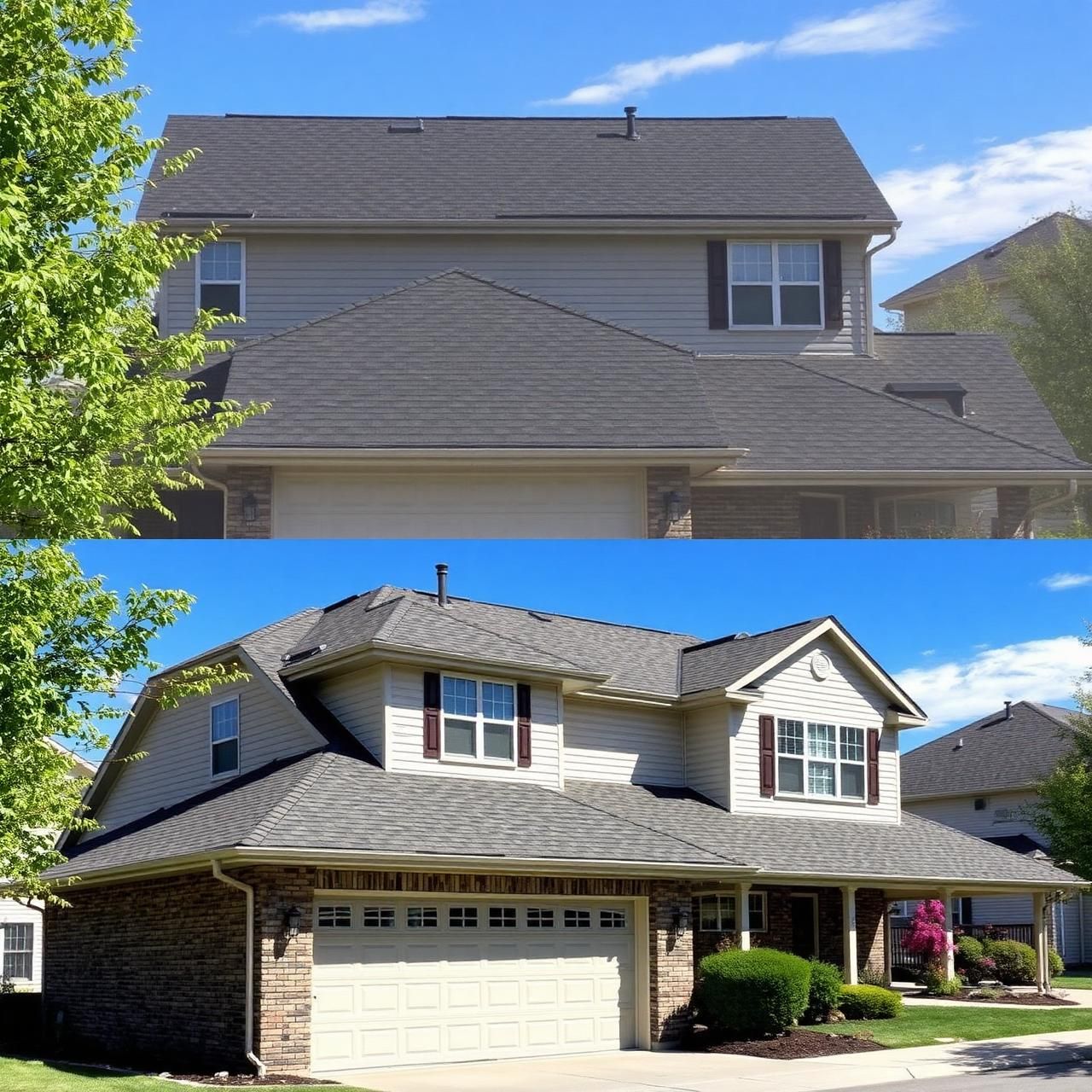
While general ranges are helpful, most homeowners want to see how pricing plays out on real homes. The variation comes down to roof complexity, material choice, and any underlying issues that need to be addressed during the project.
| Roof Size | Square Feet | Price Range |
|---|---|---|
| Small | 1,000 – 1,500 | $8,000 – $12,000 |
| Mid | 1,500 – 2,500 | $10,000 – $16,000 |
| Large | 2,500+ | $14,000 – $22,000+ |
When roof replacement costs are higher than expected
Some projects come in above the typical range. Usually there are clear reasons why:
- Steep or complex rooflines with multiple peaks
- Heavier or premium materials
- Multiple layers that need to be torn off
- Damaged decking or structural repairs
- Upgraded ventilation or system components
These aren't 'extras' — they're part of doing the job right so the new roof actually performs.
When roof replacement costs stay closer to the low end
Some projects are more predictable and stay closer to baseline pricing. You can expect a lower-end cost if:
- Simple roof layout with minimal peaks
- Standard architectural asphalt shingles
- No underlying decking damage
- Single existing layer to tear off
- Standard ventilation requirements
Repair vs replacement: which one makes sense?
Not every roofing issue requires a full replacement.
Repair may make sense if:
- Damage is limited to a small area
- The roof is relatively new
- The rest of the system is still in good condition
Replacement is the better option if:
- The roof is nearing the end of its lifespan
- There is widespread damage
- Repairs would be temporary or cost-prohibitive
- Storm damage affects large sections of the roof
The right decision comes from looking at the full system, not just the visible issue.
How to get an accurate roof replacement quote
Online estimates can give you a general range, but they cannot account for the details that impact your specific home.
The most reliable way to get an accurate price is a full inspection that looks at:
- The condition of the current roof
- Any structural concerns
- Ventilation and system components
- The full scope of work required

Insurance
Will insurance cover roof replacement?
If your roof has been damaged by hail or wind, insurance may cover part or all of the replacement cost.
This is where many homeowners leave money on the table. If damage is not documented correctly, the claim may be underpaid or denied.
- The type of damage
- Your policy coverage
- Proper documentation of the claim
Common questions
How long does a roof last in Minnesota?
Most asphalt roofs last 20–30 years, depending on materials and weather exposure.
How long does roof replacement take?
Most residential roofs can be replaced in 1–2 days, depending on size and complexity.
Is it cheaper to repair or replace a roof?
Repairs are cheaper in the short term, but replacement is often more cost-effective if the roof is older or has widespread issues.
Get a straight answer on your roof
Skip the high-pressure pitch. We'll inspect your roof, tell you exactly what it needs, and give you a real number you can trust.